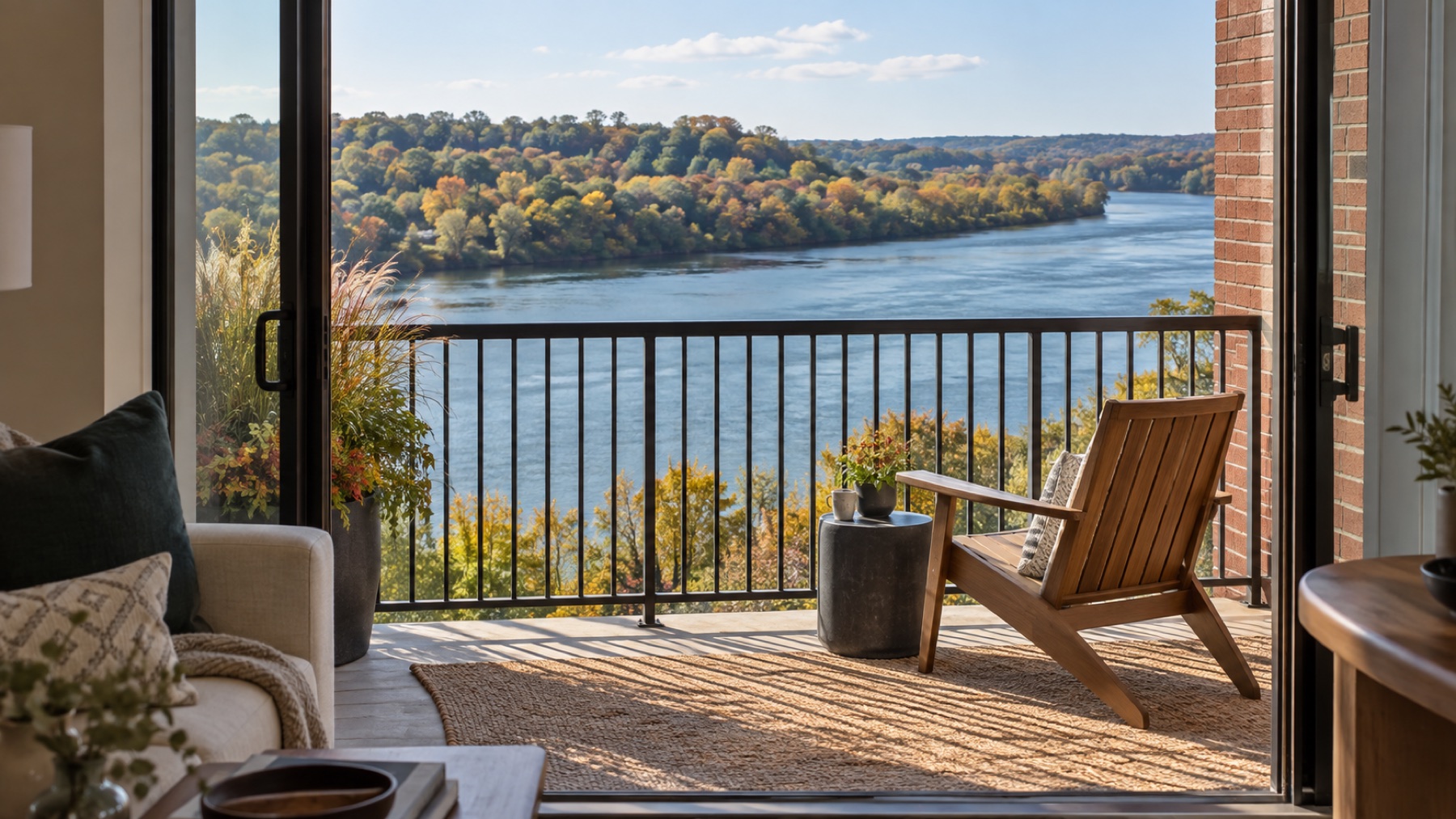
Price a Stillwater condo by comparing the unit with properties a buyer would realistically consider, then separating the asking price from your expected net proceeds. Layout, outlook, parking, association costs and sale timing all belong in the comparison.
Key takeaways
- Compare the unit and the ownership package together.
- Keep sold, pending and active properties in separate groups.
- Calculate sale proceeds using actual payoffs and proposed terms.
In this guide
Choose comparable condos before calculating a price range
Start with the same building when there are usable sales, then test the similarity of the actual units. Floor, exposure, usable space, outdoor areas and parking can differ within one address. The condo pricing guide explains how to retain or reject each candidate comparison.
The Lofts of Stillwater and Terra Springs guides help separate building identity from the individual floor plan. A brownstone with internal stairs and an apartment-style unit can serve different needs even when the bedroom count matches. Record that difference before applying a price-per-square-foot calculation.
| Evidence | Question it answers | What to record |
|---|---|---|
| Closed sale | What did a buyer pay in a completed transaction? | Date, unit facts and known concessions |
| Pending property | Which alternatives have attracted an agreement? | Known asking price and status, with final terms still unresolved |
| Active listing | What can buyers choose instead today? | Current price, availability and material differences |
| Withdrawn or expired listing | Which offer to the market did not produce a completed sale? | Price history and any verified explanation |
Compare association costs on the same basis
Put the dues beside the services they cover. If heat or water is included in one building and paid separately in another, comparing dues alone exaggerates the difference. Also distinguish recurring charges from a one-time assessment and identify when the obligation falls due.
Use the dues and special-assessment guide to organize those questions. An assessment paid before closing affects the seller's proceeds differently from an installment the parties agree to allocate at settlement. Get the allocation into the written terms and seller statement.
For a simple hypothetical comparison, $650 in dues plus $100 of separately paid services totals $750 a month. A competing unit with $780 in dues including the same services is $30 apart on those categories, rather than $130. Other costs still need their own rows. This calculation compares expenses, without assigning a resale premium.
Build a net-proceeds estimate alongside the asking strategy
Enter a sale-price scenario, mortgage payoff and itemized selling costs in the seller net-proceeds worksheet. Then test a lower price and an offer with a credit. Use the proposed brokerage compensation and written vendor estimates rather than a universal cost percentage.
Suppose an offer is $500,000 with a $10,000 seller credit. It contributes $490,000 before the other costs in your worksheet. A $495,000 offer without that credit contributes $495,000 on the same basis. Financing, conditions and timing still matter, but this arithmetic prevents the headline price from deciding the comparison.
If the money funds another home, follow the purchase cash-gap calculation. Expected equity and available cash on the next payment date are different entries in the move plan.
Investigate an online estimate that differs from the comparison
Check the unit identifier, finished area, bedrooms, parking and recorded sale history first. The condo Zestimate guide gives a sequence for investigating a mismatch. A portal may combine incomplete property facts with a broader market model.
Washington County property tax information is a separate route to tax statements and assessment information. Match the property identifier and tax year before using a figure. An assessment, automated estimate and agent's proposed asking price serve different purposes, so label them in your worksheet.
Set a price-review trigger with Richard McDonough
Ask Richard McDonough to explain the comparable selection using your property and his documented condo listing examples. Request the evidence that could change the recommendation as well as the evidence supporting it.
Agree to revisit the price when a relevant competing sale closes, material unit facts change or qualified buyer feedback consistently identifies a better alternative. The price-review workflow helps decide whether the response should be a correction to access or presentation, a price adjustment, or further investigation.
Reviewed September 18, 2026. Sources and editorial approach.